Unbonded Post-Tensioning – Strength, Efficiency & Durability
Optimized slab design for long spans, reduced
material usage, and superior crack control.
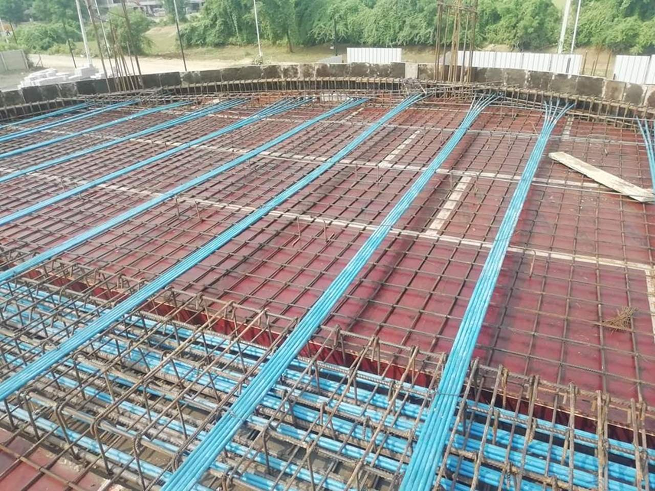
Optimized slab design for long spans, reduced
material usage, and superior crack control.
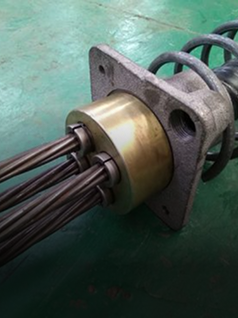
Unbonded post-tensioning strengthens concrete while allowing
flexible reinforcement. Steel tendons coated with grease or plastic
remain unbonded to the concrete, enabling adjustments and
replacements. Once the concrete reaches sufficient strength,
tendons are tensioned with hydraulic jacks, enhancing load
capacity. This method is ideal for buildings, bridges, and parking
structures, offering durability and fast construction.

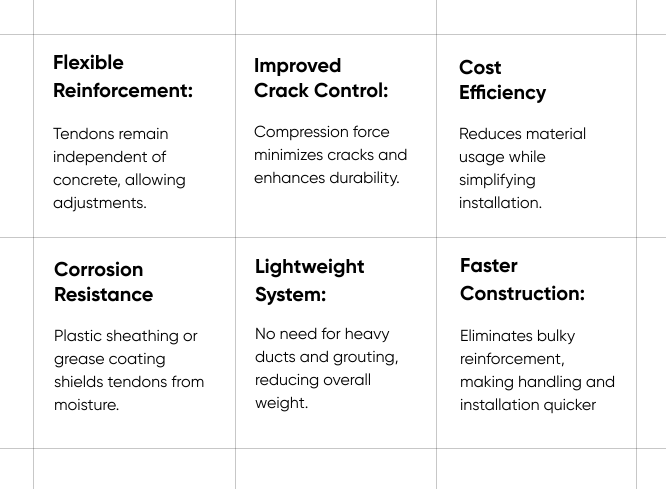
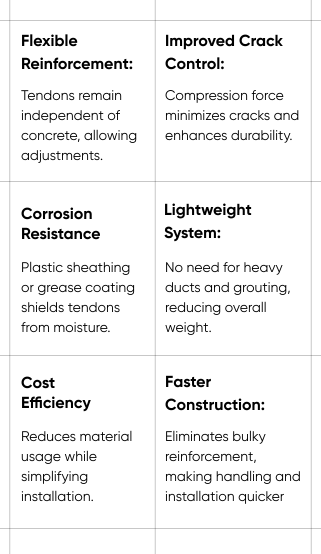
Allows tendon movement for stress redistribution, design flexibility, and easy replacements.

Eliminates grouting, reducing labor, speeding installation, and improving efficiency.

Protective sheathing prevents moisture, minimizing corrosion and ensuring durability.
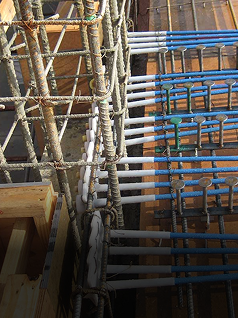
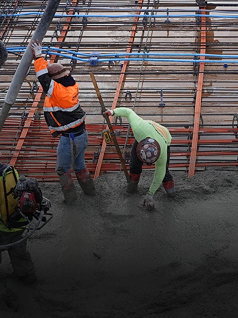
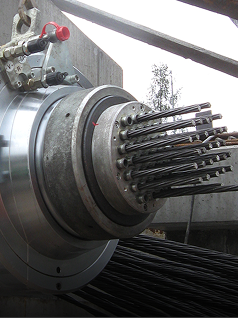
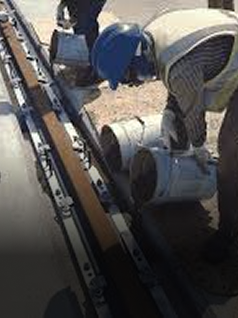
Unbonded post-tensioning follows a systematic process to ensure structural integrity and flexibility. This
method involves placing pre-coated tendons, tensioning them after the concrete cures, and securing
them without permanent bonding to the concrete.
Unbonded post-tensioning follows a systematic process to ensure structural integrity and flexibility. This
method involves placing pre-coated tendons, tensioning them after the concrete cures, and securing
them without permanent bonding to the concrete.
Bonded slab post-tensioning offers a high-performance
structural solution that enhances strength, durability, and
efficiency. By integrating grouted tendons, it ensures
better load distribution, crack control, and long-term
reliability, making it ideal for high-rise buildings,
commercial floors, and large-span structures.

Bridges &
Flyovers
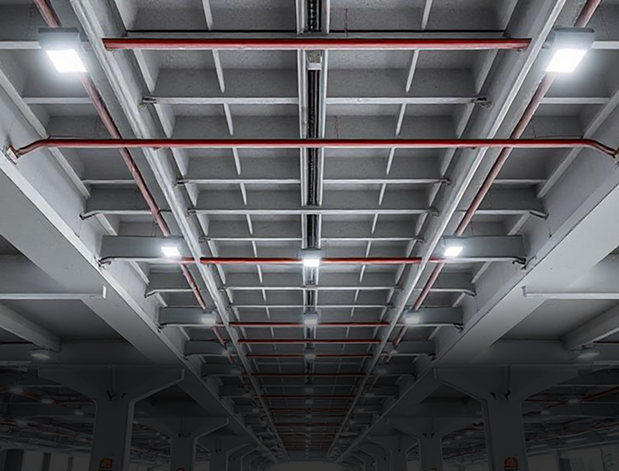
Parking
Structures
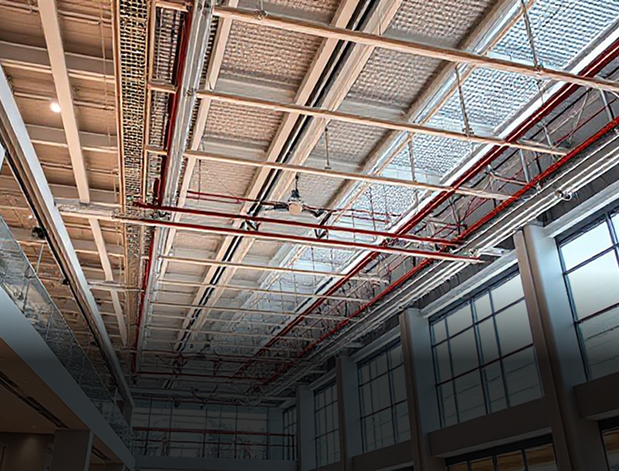
Residential &
Commercial Buildings
Industrial
Floors & Slab
Stadiums & Large
Roof Structures

SAMARTH ERECTORS
Industrial Building, Mumbai
Post-Tension Flat Slab

SAMARTH ERECTORS
Industrial Building, Mumbai
Post-Tension Flat Slab

SAMARTH ERECTORS
Industrial Building, Mumbai
Post-Tension Flat Slab
SAMARTH ERECTORS
Industrial Building, Mumbai
Post-Tension Flat Slab
SAMARTH ERECTORS
Industrial Building, Mumbai
Post-Tension Flat Slab
SAMARTH ERECTORS
Industrial Building, Mumbai
Post-Tension Flat Slab
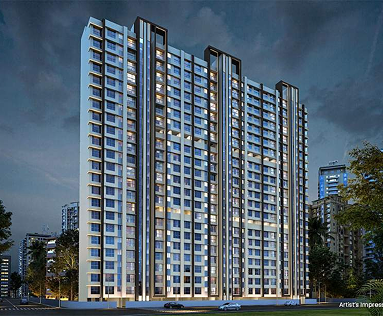
SAMARTH ERECTORS
Industrial Building, Mumbai
Post-Tension Flat Slab

SAMARTH ERECTORS
Industrial Building, Mumbai
Post-Tension Flat Slab
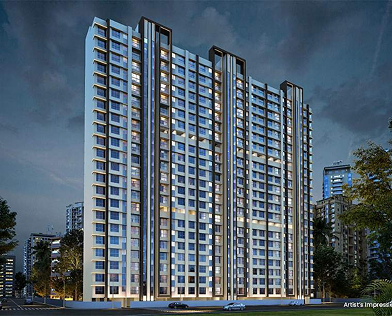
SAMARTH ERECTORS
Industrial Building, Mumbai
Post-Tension Flat Slab
SAMARTH ERECTORS Industrial Building, Mumbai
Post-Tension Flat Slab
SAMARTH ERECTORS Industrial Building, Mumbai
Post-Tension Flat Slab
SAMARTH ERECTORS Industrial Building, Mumbai
Post-Tension Flat Slab
Our Projects
Contact Us
KGN Prestress Pvt. Ltd.
Plot No. 10 Tare Compound,
Western Express Highway,
Check Naka, Dahisar (East),
Mumbai- 400068


